Our Verdict
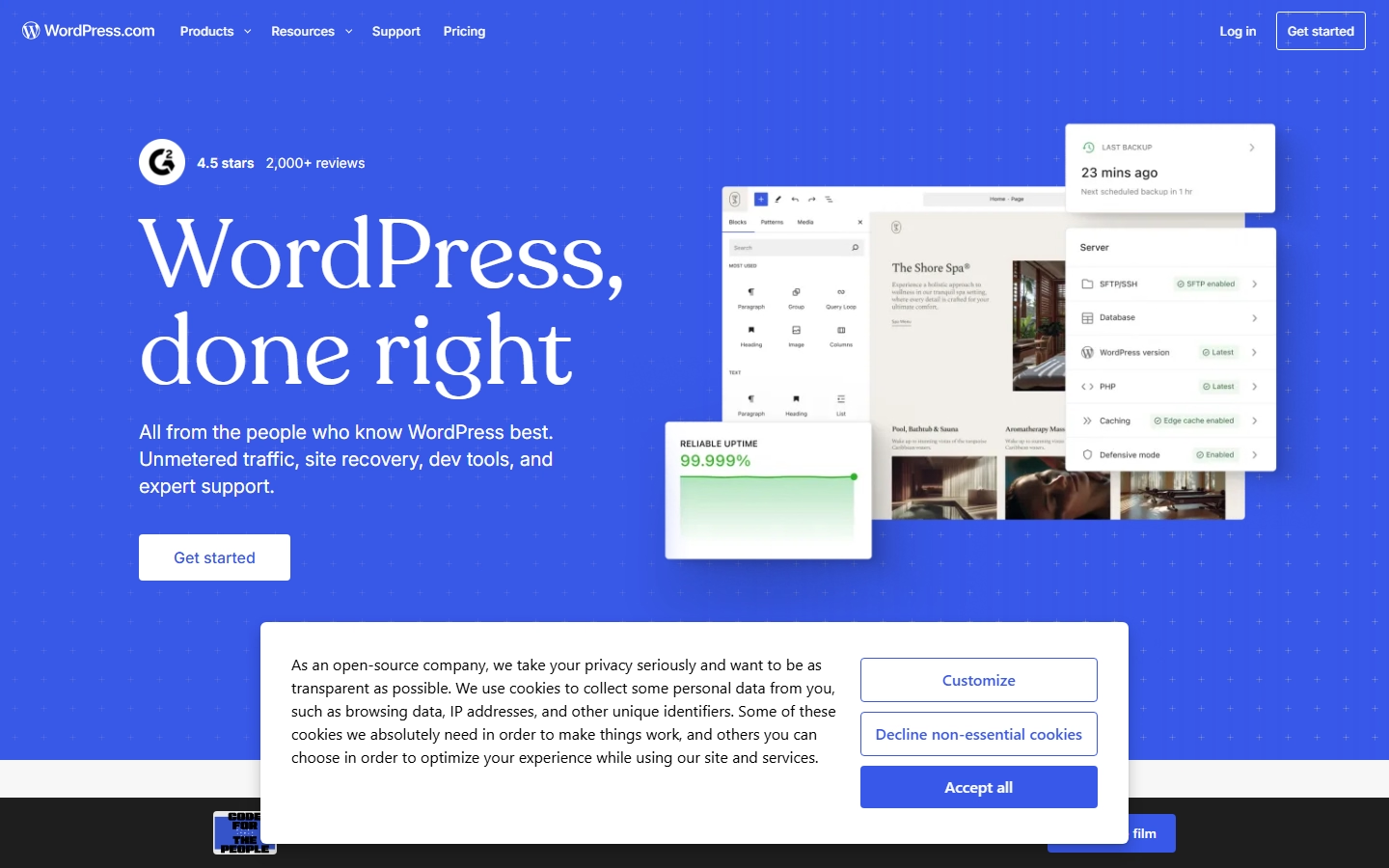
WordPress.com is great for beginners running blogs and static websites. They are not great for business websites and they do not allow adult content, so dating and escort websites are not permitted.
Pros
- Great for beginners running blogs and static sites
Cons
- Not great for business websites
- Adult content not allowed — dating & escort themes are not permitted
Description
WordPress.com is not the same thing as the WordPress software your PremiumPress theme runs on — it's a separate, fully managed hosting platform built and operated by Automattic, the company co-founded by WordPress co-creator Matt Mullenweg, launched back in November 2005. Where WordPress.org is free, open-source software you install on hosting of your own choosing (which is what every PremiumPress theme assumes), WordPress.com bundles that same underlying software with managed infrastructure, automatic updates, backups and support, run entirely by Automattic on your behalf. The two are easy to confuse by name alone, but they're fundamentally different products.
That convenience comes with real trade-offs for a theme-based business site. WordPress.com runs on a freemium model: the free and lower-priced tiers restrict plugin and theme installation entirely, which means a self-installed theme like a PremiumPress product typically can't run there at all. You'd need to move up to their Business or Commerce tiers specifically to unlock third-party plugin/theme installation, along with SFTP/SSH access and WP-CLI support — at that point you're paying WordPress.com premium prices for something closer to a standard hosting experience. As of 2025 they've also layered in an AI website builder that generates layouts and copy directly from a text prompt, aimed at users who don't want to pick a theme at all.
WordPress.com is genuinely good at what it's built for: bloggers, portfolio sites, and small business owners who want zero server maintenance and are comfortable working within Automattic's platform and, on lower tiers, its theme and plugin restrictions. Its native WooCommerce integration also makes it a reasonable choice for straightforward e-commerce, provided you don't need a custom theme, and its infrastructure — spread across Automattic's own global data centers — means uptime and page-load speed are generally not a concern regardless of which plan you choose.
Pricing runs on an annual-billing model across four tiers — Starter, Explorer, Creator and Enterprise — with the ability to install third-party themes and plugins gated behind the higher tiers rather than available from the entry price point. Because Automattic controls the entire hosting environment, you also don't get a traditional cPanel or file-manager experience; site management happens almost entirely through WordPress.com's own dashboard, which is a very different day-to-day experience from the self-hosted control most PremiumPress customers are used to, and means less flexibility overall if your site needs a specific server configuration or a plugin that WordPress.com doesn't officially support. Support is included on every paid tier via live chat and email, with priority support and phone access reserved for the higher Creator and Enterprise plans.
Where it falls short for PremiumPress specifically is content policy. WordPress.com's terms of service don't permit adult content, which rules it out entirely for dating, escort, or classifieds sites — some of the most common PremiumPress use cases. Combined with the plugin/theme restrictions on lower tiers, most PremiumPress customers will get more value and fewer restrictions from a standard hosting provider on this list, reserving WordPress.com for simpler content-only sites where its managed convenience genuinely outweighs the lock-in.
Ready to get started with WordPress.com?
Visit WordPress.comOther Hosting Reviews

Host Upon
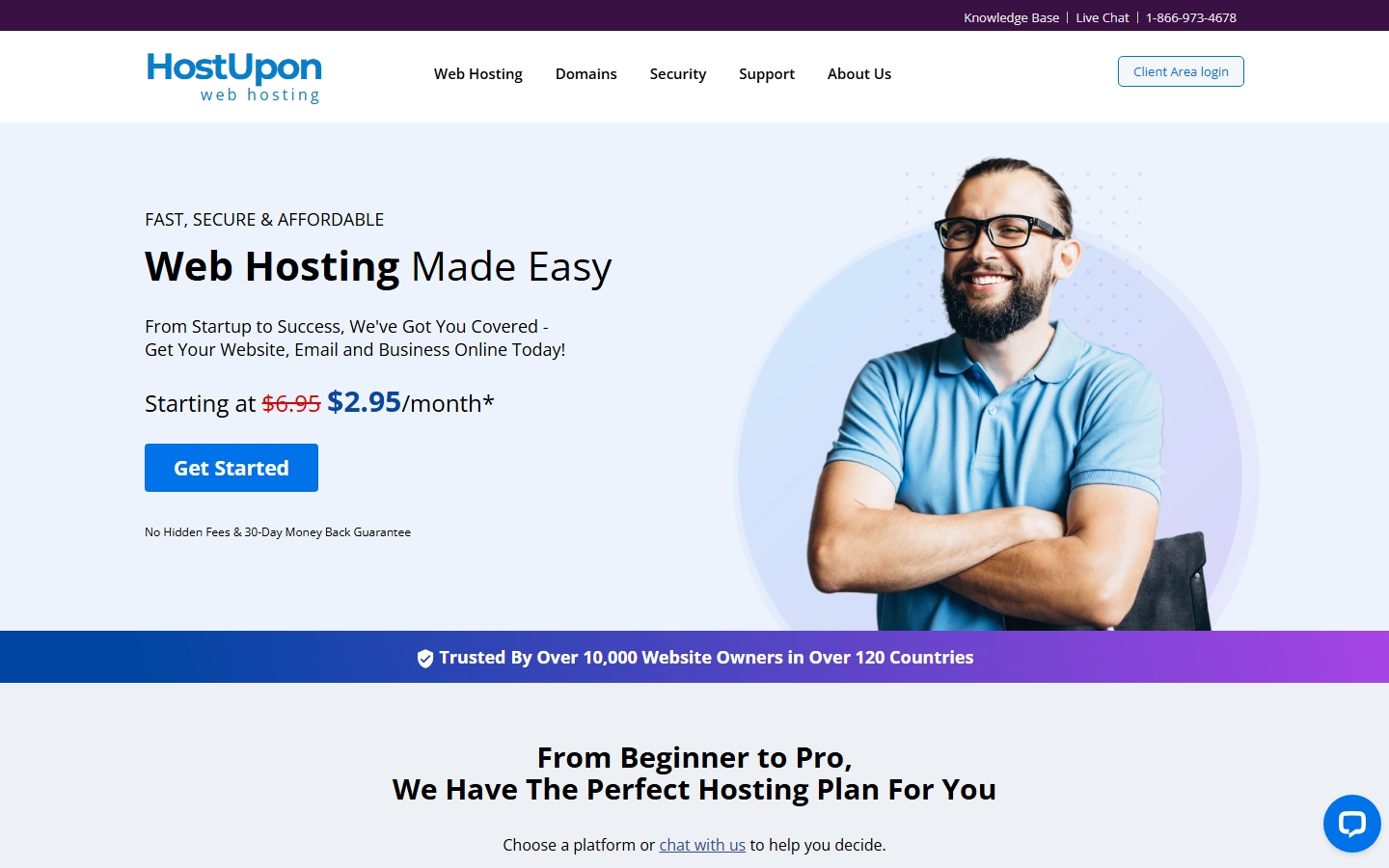
We've been using Host Upon ourselves for over 10 years (they host this website!) and we've never been let down. They offer a 30 day money back guarantee and top-notch customer support.
Read Full Review →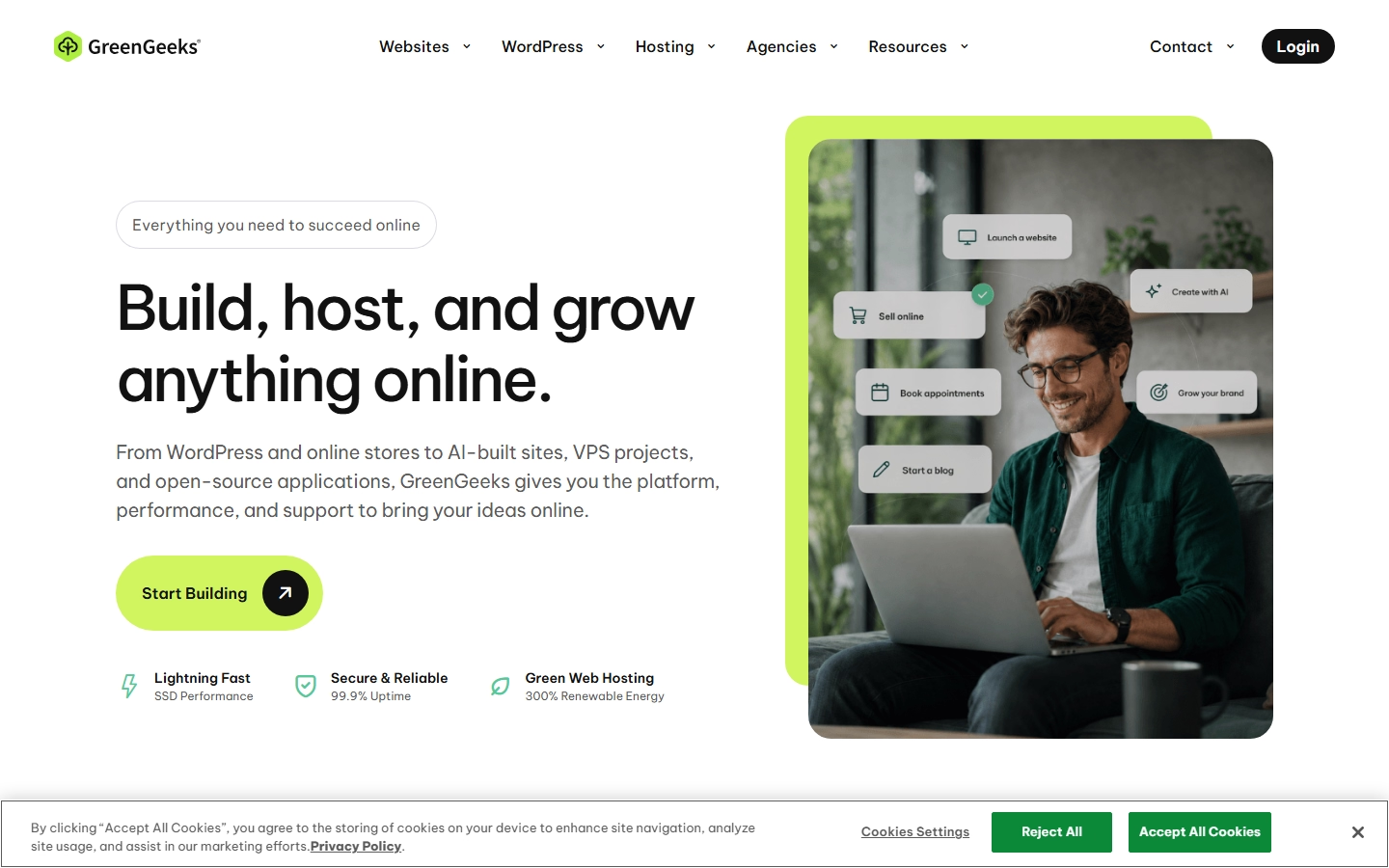

GreenGeeks
We've been recommending GreenGeeks for years simply because they do an awesome job with our clients. Excellent customer service and their hosting solutions are all tested with our themes.
Read Full Review →

DreamHost
Some nice reviews from our customers. Good value for your money, good support and quality service. Hosting works great, however they do not allow adult websites.
Read Full Review →